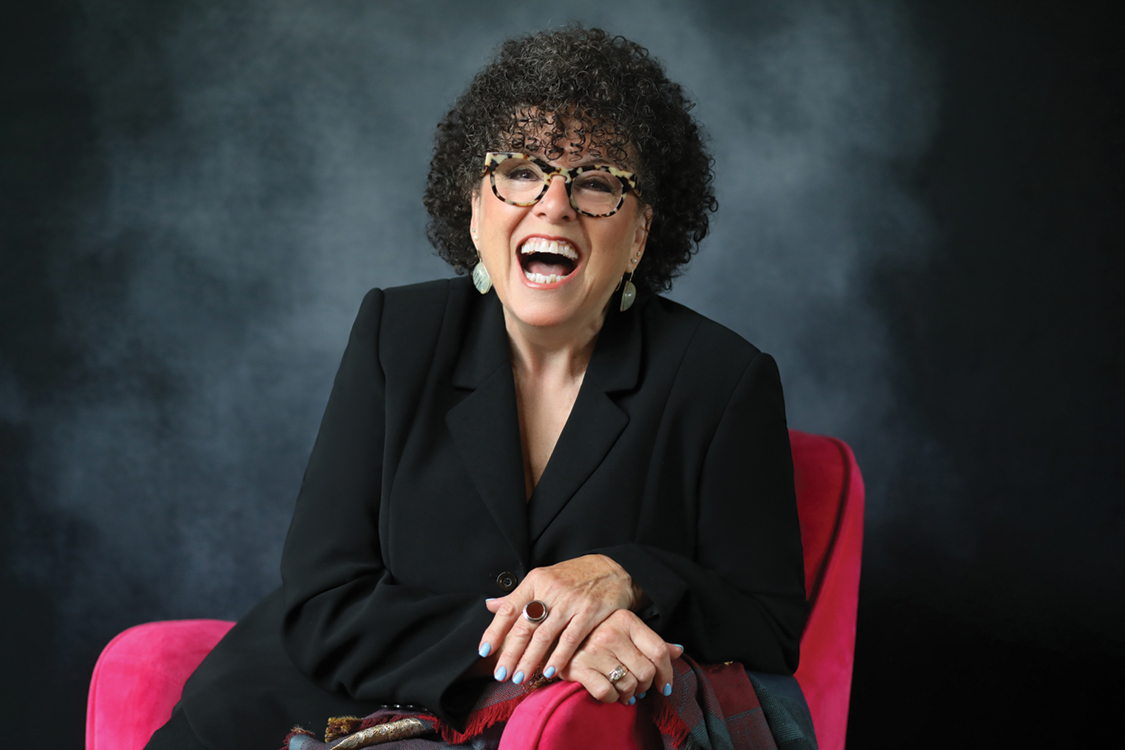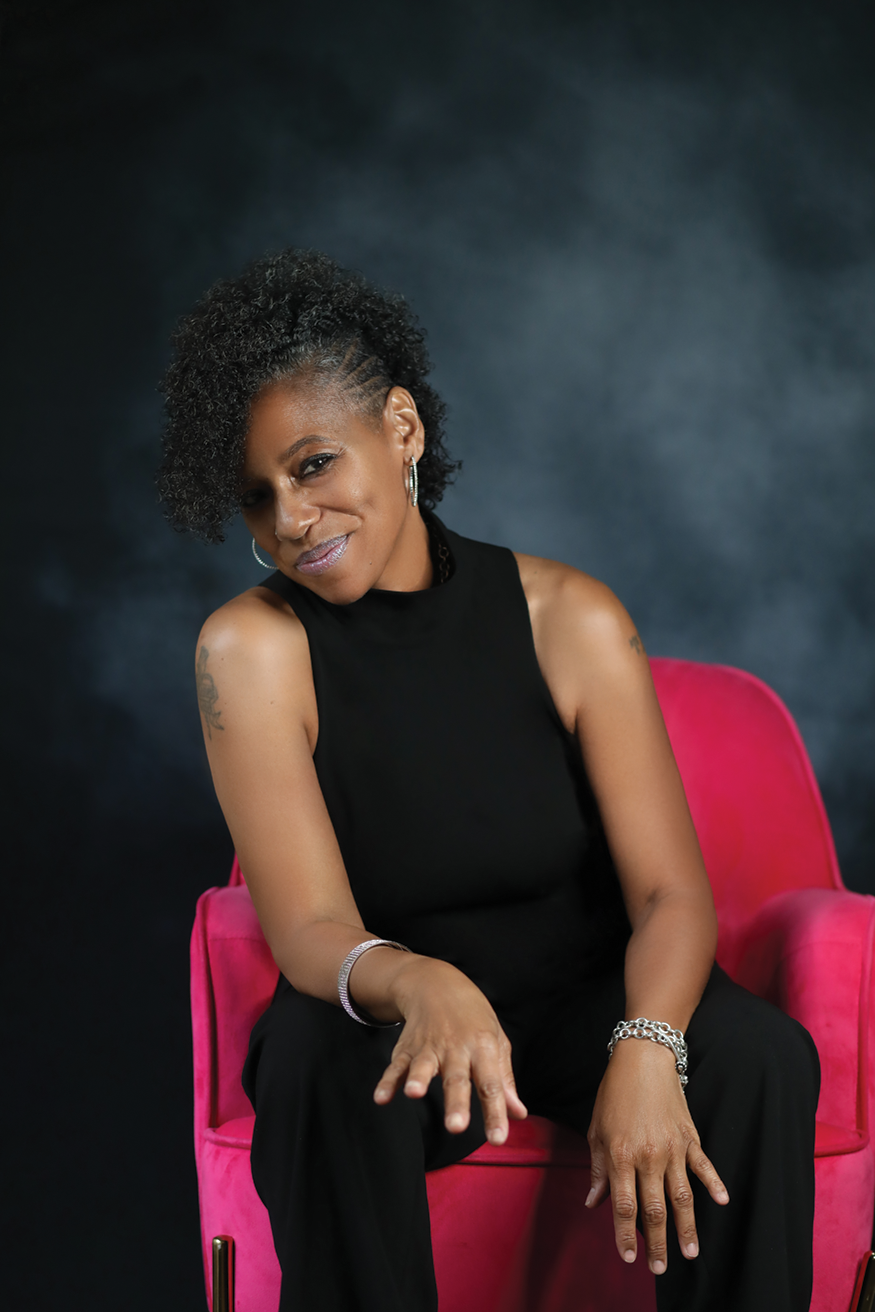
Libby Andrew Tells Stories With Fashion
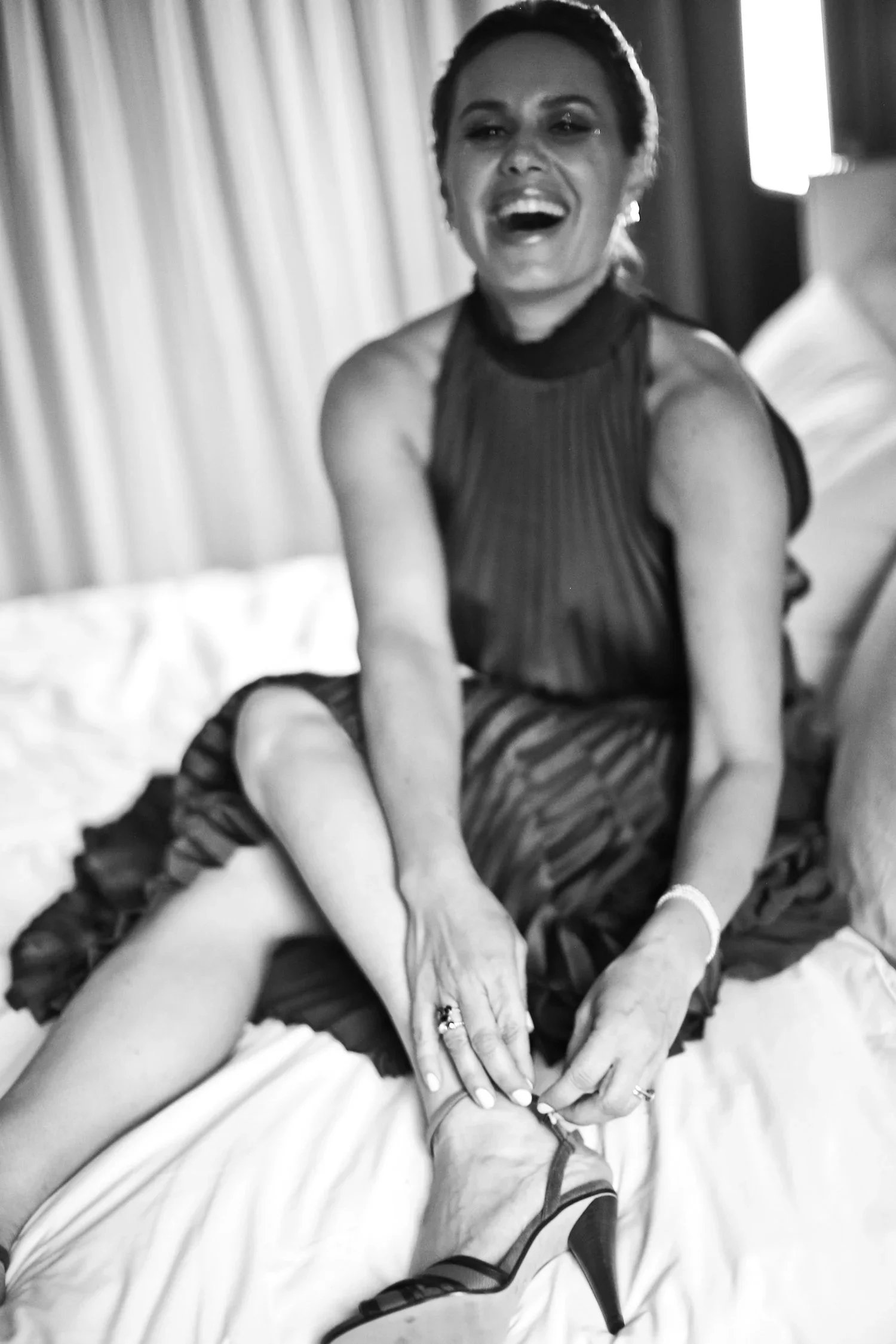
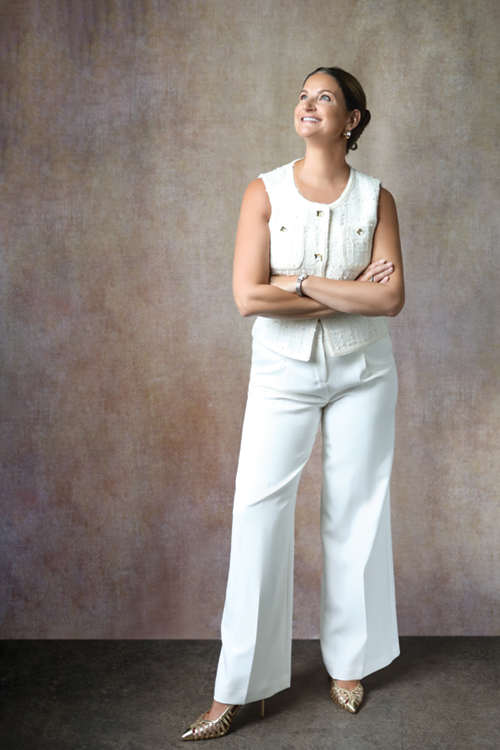
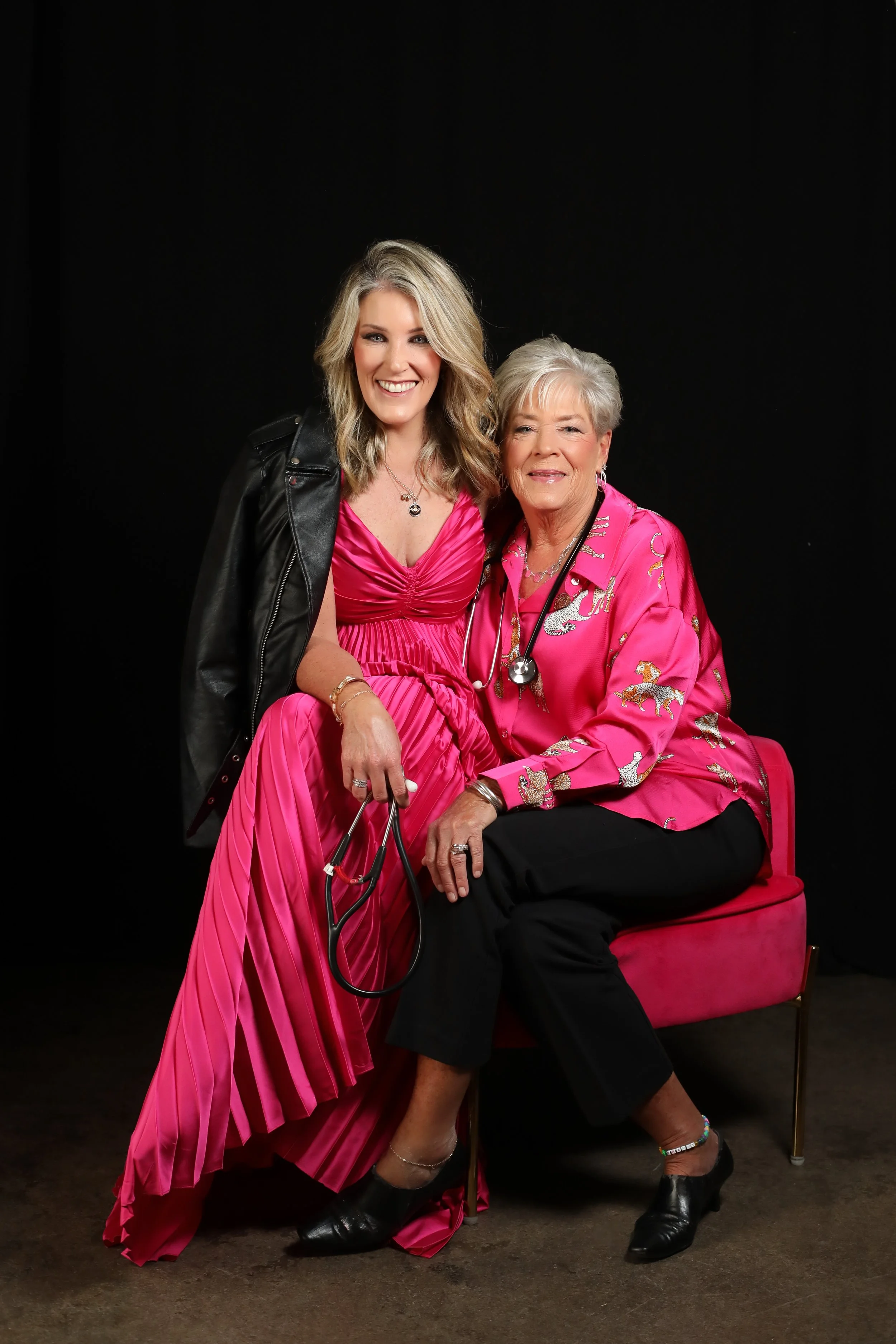
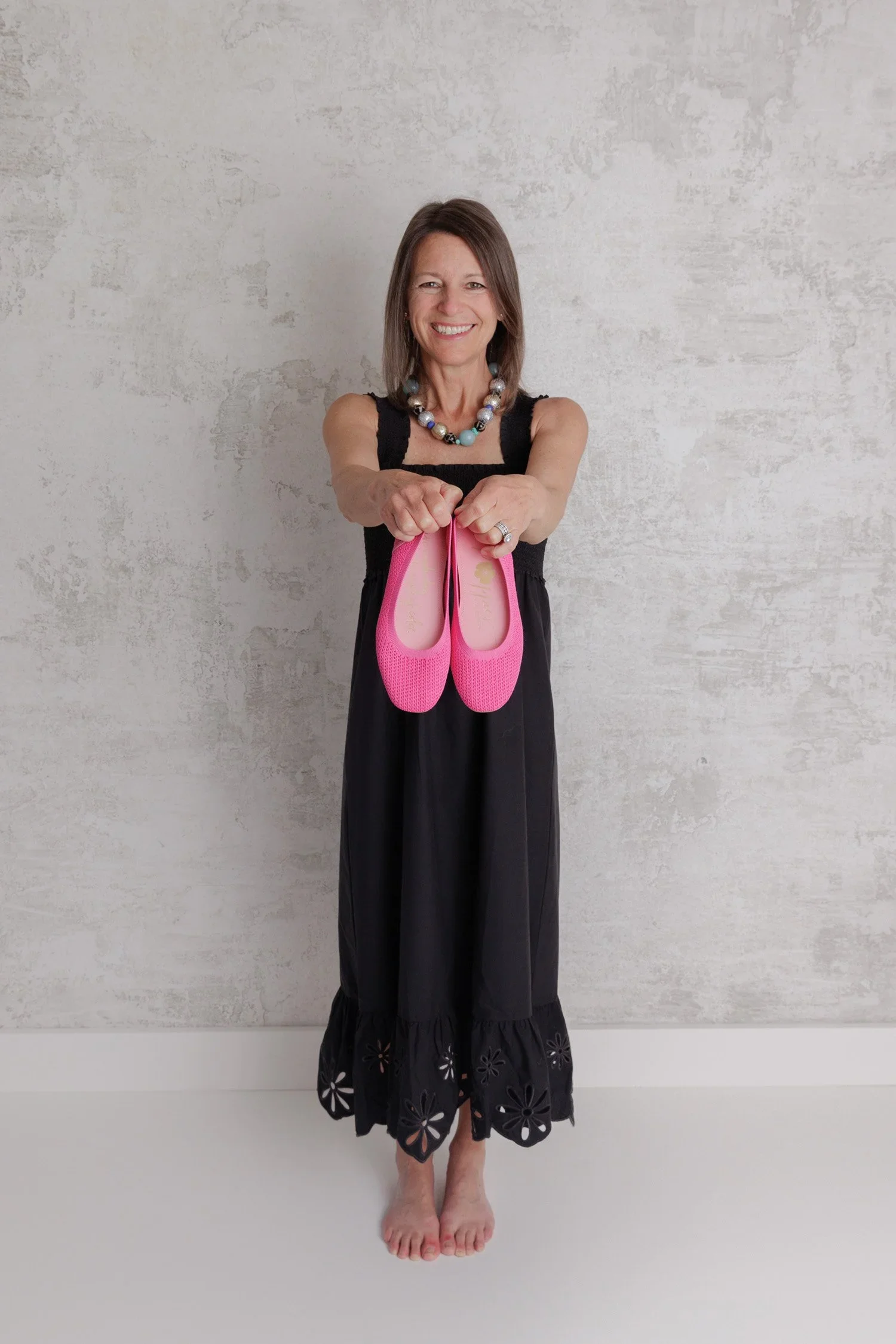
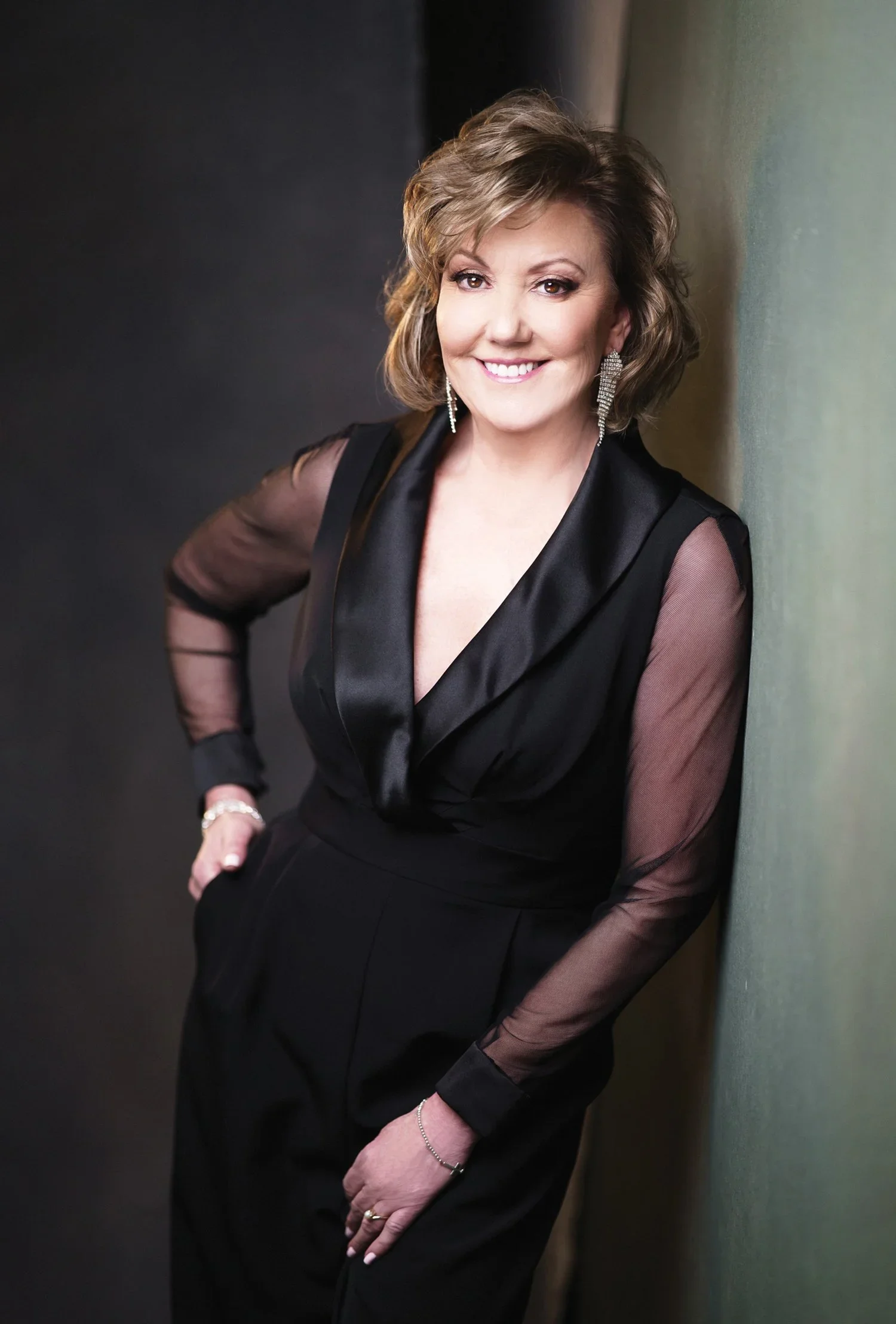
Libby is wearing a dress by A.L.C. and Veronica Beard shoes. Portrait by Caroline White.
Fashion insider Libby Andrew knows that sometimes the best way to tell our stories is to first try on an image. Using fashion as a pen, her fashion camp teaches kids how to dress up and then write the story.
It seems the word of the year is “discomfort.” This word has come up in every article and conversation I’ve had in this edition. For example, Marci and I just spoke on a podcast about how we know our craft but neither of us has ever been a business owner. It’s new territory. Someone told us “that’s good because if you’re uncomfortable, you’ll find help to get comfortable. That’s how we get ahead.”
It’s true, it’s true. You know [founder of Gilt Groupe, GlamSquad, and Fitz] Alexandra Wilkis Wilson, wrote the book By Invitation Only: How We Built Gilt and Chaged the Way Millions Shop and one of her big themes is creating a team. I resisted that for a long time. It wasn’t so much that I didn’t want other people’s expertise, but it was more this idea that I’ve got to do it all myself, and if I don’t know how to do something I can learn how to do it. I was beating that drum for a long time and then I thought, “well, if I can feed out just a little bit, here and there, it would be helpful.” It was more than just getting the work done; it was also about allowing for collaboration. Feeding off other people and their ideas and stories is so helpful, and it actually pushed me much further than I thought. There’s the creative side, which is wonderful, and what I love to do and what I’m comfortable with, and then there’s the business side.
That “jack-of-all-trades, master of none” feeling is not necessarily a bad thing. I’m okay being a jack if I can find a master of the things that I can’t conquer.
It’s funny you say that, my dad used that phrase all the time. It’s kind of like a cautionary tale. You want to be like a jack-of-all-trades, master of none, but I think it’s necessary to be able to understand and operate on a lot of different levels when you’re running a business.
This almost seems like the theme you’re teaching your fashion campers. To dip their toes into a little bit of everything, and then learn how to put it all together. Is that what you were going for at Fashion Camp?
I’m so glad you said that. Because it kind of goes to the origin story of this camp. When I was growing up, my parents were pretty strict, and I came from a very artistic family. Creativity was in the nature for us, so I took it for granted. We were always talking about art. Someone is always playing instruments, and everybody could draw, you weren’t special if you could draw because everybody could. My mother and I liked to look through fashion magazines together and critique color, art, style, expression, everything. It was fun. Once I got into middle school and teenage years, I was veering away from my mom a little bit, but I still loved the fashion world because it was a world of imagination and storytelling. It let me pretend I could become whatever I wanted. I did that through fashion. “I dress like this, I can act like this, and I can visit Paris, and I can be a pilot or an astronaut.”
That’s where the idea for the camp came from, with this feeling of allowing ourselves to imagine, and then tell our story with that imagination. I think fashion is one of the best ways to do that. Since I had the experience, I could teach them how to create and tell their own story.
What are the basic principles that you’re teaching? Are you starting out pouring over pictures like you did with your mom?
The very first thing that they get to do, so they can see if this is something they actually want to do, is a course where they build their own fashion magazine. The first thing to do is copy an advertisement. It can be a physical magazine or can be online, but I want them to look for the ones that seem to be the most outrageous to them. So they can start thinking about how these impressionable images are very abstract; they don’t always make sense. Sometimes they’re based in reality, sometimes not. For example, if I copy this advertisement where someone is using a shoe as a telephone, what does that mean? How does that feel? This exercise allows them to break out of their regular way of thinking. I’m trying to help them discover a sense of purpose and gain the confidence to tell their story.
There’s been a lot in our culture lately about creating strong women leaders. How do you do that? Where does that come from? I really believe there’s a lot of healing that needs to be done, because of the pandemic, and even just in the nature of our country right now, we’re in a very pivotal cultural time, and I think sometimes the kids get lost in that. How do we get them to find their courage and come back from that?
It’s a very good point, and to add to that, sometimes kids get lost because we, as parents, put them in these bubbles because we don’t want them out in this big world where there is war and conflict. But when we do that, and they are ready to leave the home, they’re a little more naïve, and maybe they don’t get to see Paris or do any travel, and they avoid experiences. I think what you’re doing, besides leadership training and inspiring imagination, is incredible. You’re using the fashion world and make-believe, and it works.
Part of this business, for me, is to put the fun back in fashion. For too long it’s been used as an intimidation factor. It never was for me. It was more a way towards self-expression.
What I’m doing here in this camp is really about creating unique styles, developing our own style. And reminding these girls that they can switch it up. It doesn’t have to be the same thing all the time. And you don’t need the fanciest, most luxurious item to make a statement. I’m hoping to break apart these ideas about fashion being the haves and have-nots. I’m trying to give an invitation and build a community where girls, wherever they are from—Montana, Australia, Chile—can realize they have something in common. It’s about sharing their ideas about art and fashion instead of feeling like, “I’ve got to have this and I have to dress this way.”
It sounds like you’re re-creating a little bit of what you and your mom did when you went through magazines page by page. I’m curious. How did you go from sitting with your mom to Anna Wintour’s office?
It’s funny because I get asked this question a lot. I majored in philosophy at Wheaton College, in ethics, and I did a lot of theater. I was actually planning to go to law school because justice is a big part of my life. Justice and creativity. How do you marry those two? But anyway, I had friends who had gone to law school and didn’t like it, so I thought I should try something else and then get back to that later.
I moved to Manhattan one week after I graduated college, and I worked for Guess Clothing Company, doing their special events. It was so fun. We went to Macy’s Herald Square, Kate Moss was one of the models at the time, and I got to pick the music and the themes. It was super fun. But I learned a big lesson there. They hired a new president and cut the special events department. At the time I was devastated because I felt like I had put in blood, sweat, and tears at that company. But in hindsight, it was great because I stayed in Manhattan.
I love that city. I loved the cultural diversity and its pulse, which make me feel like I can come and do anything I want. But I stayed and became a temp at Anna Wintour’s office. She had let go of a couple of different assistants and I was working for the public relations director, who thought I should interview with Anna Wintour. I was a little bit nervous, but I love meeting people and I thought, why not? If I’m going to get offered the interview, I’ve got to go. So I sat down with her and we got along very well. We just clicked. You know why? She is fascinating. Her office is fascinating. The photographs she has, the flowers, the whole thing. I remember feeling that, whatever happens here, this is going to be an incredible experience. I could answer all her questions about fashion because, without knowing it, I had it memorized. So that’s how I ended up there. It was really not about connections; it was just good timing. What’s that saying about opportunity meeting hard work?
So now you’re absorbed in the world of fashion and you’re picking up knowledge about the industry, about running a publication, about the components that go into this.
Yes! You know, the thing I want to say about that is the best thing about being her assistant is that it was more of an apprenticeship because, as reserved as she is, she brought me into every area of her life. I went go to her house, I read all the copy that came across her desk. One year, we put Hillary Clinton on the cover. And Oprah Winfrey. So I was dealing with Hillary Clinton’s office and the White House and all of Anna Wintour’s friends, Oscar de la Renta, Karl Lagerfeld. All these different people I’m speaking with all the time. She wants to leave the office, go to the fashion shows a couple of times a year, and not worry at all that her office is being run well. Her assistants do that for her. So yeah, so that’s kind of what it was like to be in that office.
It sounds like you were in the middle of the best social studies class!
It was like that.
I never would have thought that fashion could open up my world to politics, to philosophy, to social activism, because you just named all those things in every person that you spoke of.
Yes! Henry Kissinger would even call the office, you’d be surprised! You think, “this is just a fashion magazine.” But this magazine brings together so many different industries. You’ve got the journalists, and the journalists are some of the best in the world—-Joan Didion and Dodie Kazanjian—-and they’ve all got their whole world of people. As far as designers go, I mean, it’s walking, living art, and they dress those people with their clothes. You’re telling a story. Think about that. If a woman wants to feel powerful? Some people probably wouldn’t care how they look, but some people care about what they’re wearing and how they present themselves.
How does this philosophy work into what you’re teaching your campers?
I think it’s a matter of helping them develop the idea that every person has a story to tell, and every person’s story is important. Each girl will leave my camp believing they are important. I want them to get that feeling. You have a story to tell, you have original ideas. It doesn’t matter how old you are; let’s help develop that confidence in being able to tell your story.
Something I will be very mindful of is focusing on the positive aspects of each person’s story. When we get together in our weekly Zoom, or if we communicate at all, one of the rules to be very strict about is positive feedback only. Because you’re going to see what does work, and automatically, girls are going to look at all of the things that don’t work, and that’s too easy. I want to start digging into what does work. What did I share that people thought was cool? How can I shift toward forward thinking?
And empathy and solidarity. You’ll open up the world to them if they let you. That sounds like what you experienced in Manhattan: opening up the world with a nontraditional tool like fashion and publishing.
Absolutely, absolutely. One of my favorite quotes from Eckhart Tolle is “You create more of what you focus on.” That’s one of my mainstay principles. Every time I feel myself getting negative or fearful or have some anxiety, I replay that in my mind. How can I think positive thoughts instead of negative ones? How can I take a different path that puts me in a good direction? For me, looking at fashion, because it’s colorful and vibrant and imaginative, is one way to do that.
I am interested in knowing more about your philosophy studies because I think that what you do is thoughtful and inspired. First, how did you get to kids who might think the only thing about fashion is what they see on Instagram?
Thank you for saying that about philosophy. What a fantastic question, because I don’t know if I would’ve thought to say this unless you asked me: I believe there are human universalities. You might look at Facebook and phones and all the power of technology in your hand and believe it gets a lot of people into trouble—I understand it causes a lot of competition and judgment and all the things. But if I dig down a little bit deeper, I also think that it’s a way to relate to each other. There’s this curiosity factor. So my belief is—-with this camp and with social media, because I don’t think it’s going anywhere—-I would like to have kids use it and not have it use them. Every time you get on your phone, every time you look at something on the computer, you make a choice. I would like to empower them to make good choices and think critically. Decide what they’re going to do with their time. How much time do they want to stand looking at something and learning from their phone? How much time do they want to just let off some steam and look at TikTok? And then how much time do they want to put all of it away and go do something? When you’re in fashion, it’s very physical because it’s a garment, and it forces you to use your hands. To lay something out, try something on your body, look in the mirror. Shop with your friends, share ideas. So, it’s not so much that there’s evil in fashion or evil in a phone, it’s how you are using them.
So back to your question about philosophy. It’s why this Ukrainian war is so painful to watch and look at because on a universal level moms know what it’s like to have children, what it’s like to protect her children, what it’s like to make sure that they’re eating properly, and they’re over there in Ukraine stuck in a situation where all that is out the window. And, you know, it’s just horrific. How do I come from the fashion industry and yet talk about all these things? It’s because life is very rich and complicated and it involves all these different aspects from what we wear, to what we watch, to how we use technology.
Wow, that was a mouthful!
It was so well said! My daughter and I were talking about when I was a kid, or as she calls it “the olden days” …
Right. The ’90s.
Right! To your point, I don’t want to blame technology, but we were using our imagination a lot differently then. We tried things out, we sought people out. But now, we can stay at home and learn about how jewelry in one culture was used to show stature, and how tattoos and makeup represent wealth and power in another. Beauty, women, fashion—-all are so different in other parts of the world, and this new technology can teach us about different cultures in a way we couldn’t “in the olden days.”
That’s a brilliant point. In fact, part of my website I’m developing, is interviewing designers from all over the world. And not just big designers we all know, but there are women across the world doing incredible things and helping communities. They make this beautiful fabric in Africa and then it is sold to manufacturers who then make it into clothes. And it provides income to those communities in Africa that need it.
These designers have traveled there and discovered the world's most beautiful fabrics. And people here find something unique and different and special and something with a story. So it’s bringing those women in Africa together with women here. There’s a way for us to come together, and that’s the benefit of technology.
But as we use technology, we also don’t want to lose the wonder of the everyday fun of going outside and playing. Or lose the basic connection with other people, and I think that’s the biggest fear right now. We all know there’s so much value in meeting each other face-to-face rather than via technology.
You and I often go down rabbit holes which is my favorite thing about our conversations!
I hope so!
The idea that these girls are going to be meeting each other through your camp, from all over the world, and learning about the different corners of the world. It’s going to change a lot of the stories that they’ve heard.
Actually, I had written a book, Fashion Diaries: Dress Code, a while back and was shocked when this girl from Pakistan got in touch with me to ask about the next book. It made me look at the demographics from the book sales and I found someone in Libya and someone in Japan and someone from Canada, and it’s exciting to me because that’s part of the thing that made me think of this camp. I realize the camp is a way for people to understand how similar they are. Yes, we can have a lot of differences, but the human nature part of it is that we all want to get dressed and develop a sense of purpose, and fashion is part of that. There are a lot of people who are interested in fashion and telling their stories. And there are a lot of people who can relate to each other even though they’re from across the world.
These girls are going to be learning new things about what happens outside of their own homes. Now maybe when they go out in the world and they see conflict like they do in the Ukraine, they might be more empathetic.
I think part of the human condition is to judge other people. To safeguard your expectations of what’s going to happen, right? But what’s wonderful is connecting on some basic level and then discovering there’s a lot more similarities than you would’ve imagined, just being people in the world having a human experience. I’m hoping that will also be part of their experience in the camp. If nothing else, it will start to shape the discussions we have, and it will make them realize they never really know someone’s story until they talk to them.
I think of the icons, both real and in fiction, that use fashion to influence. Jackie O, you know, what a wonderful woman, what an advocate and philanthropist. The one thing that everybody knows about Jackie is what she wore.
I had her book standing right over there. Yeah, she was a fashion icon.
Yes! And Princess Diana. We all know her life’s work, but if you don’t, you still know how she wore her hair and what dress she wore. So many of us are drawn to their looks, but then influenced by what they care about.
You know who I’ve been noticing lately, right there front and center, Jen Psaki and Nancy Pelosi. I wonder how much thought they put into their wardrobe and if they’re purposely wearing certain colors on certain days. I think we’d be in denial to think that we’re not attracted to some people, that we’re not interested in them because of what they’re wearing. Sometimes we really are. How many people tuned in to watch Harry and Megan get married? They want to see what she’s wearing. I don’t think there’s anything wrong with that! I think it’s fine—yeah, yeah I think it’s fun. And it says if I want to present in a certain way, do I want to wear something clean? Or I don’t want to present that way. Maybe here I want to present in a way that’s more subtle, or makes people keep their distance, or whatever it is, but allow yourself to discover it. Try on each thing because if you don’t try different things, you can never find what is comfortable for you.
I think that is the life philosophy here! I mean, look at you. You tried on the author outfit. You’ve tried on the major media giant that is Vogue magazine outfit. You tried major label clothing retailer outfit…
I went to Imagine Entertainment and worked for Ron Howard and Brian Grazer. Yeah, I did. I had to try a lot of different things before I settled on “entrepreneur.”
I’m still gonna be discovering and I think giving myself permission to shift when it’s not right and giving myself permission to make mistakes. Why is it such a big deal to change? You’re eventually going to find a fit. I have to tell you, one of the best things about the job I’m currently doing is, when I’m working—and I have four kids, so I have only a little bit of time that I can devote to this—but when I’m working and I find that flow, I absolutely love my work. That’s what keeps me coming back. That feeling, that moment when I absolutely love all the different aspects of this work.
You have to be yourself. Sometimes it takes courage to be yourself. And you could be confident being yourself, but you have to be able to exercise those emotional muscles. Sometimes you don’t get a lot of opportunities to do that.
Visit www.fashioncampers.com and follow the campers on Instagram @fashioncampers.